
Wildlife activity surveys
Site assessments to understand target species, movement patterns and risk areas.
Understanding behaviour, habitat and site pressures before deciding how to manage wildlife conflicts.
From native polecats to Canada geese and non-native American mink, understanding the species and the site is the first step towards sensible wildlife management.
Different wildlife issues need different approaches. We consider animal behaviour, habitat, the practical problem and relevant legal protections before recommending any action.
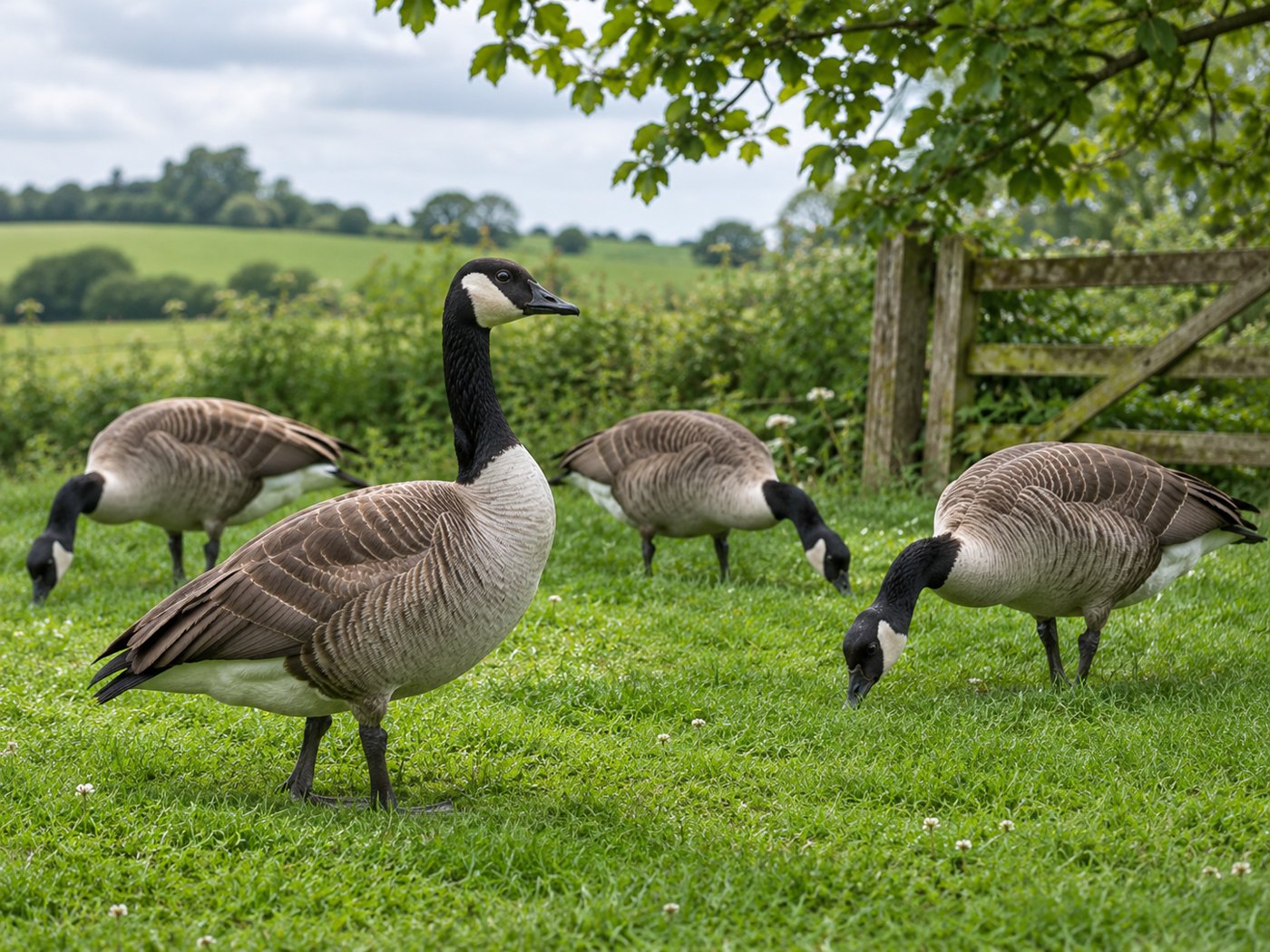
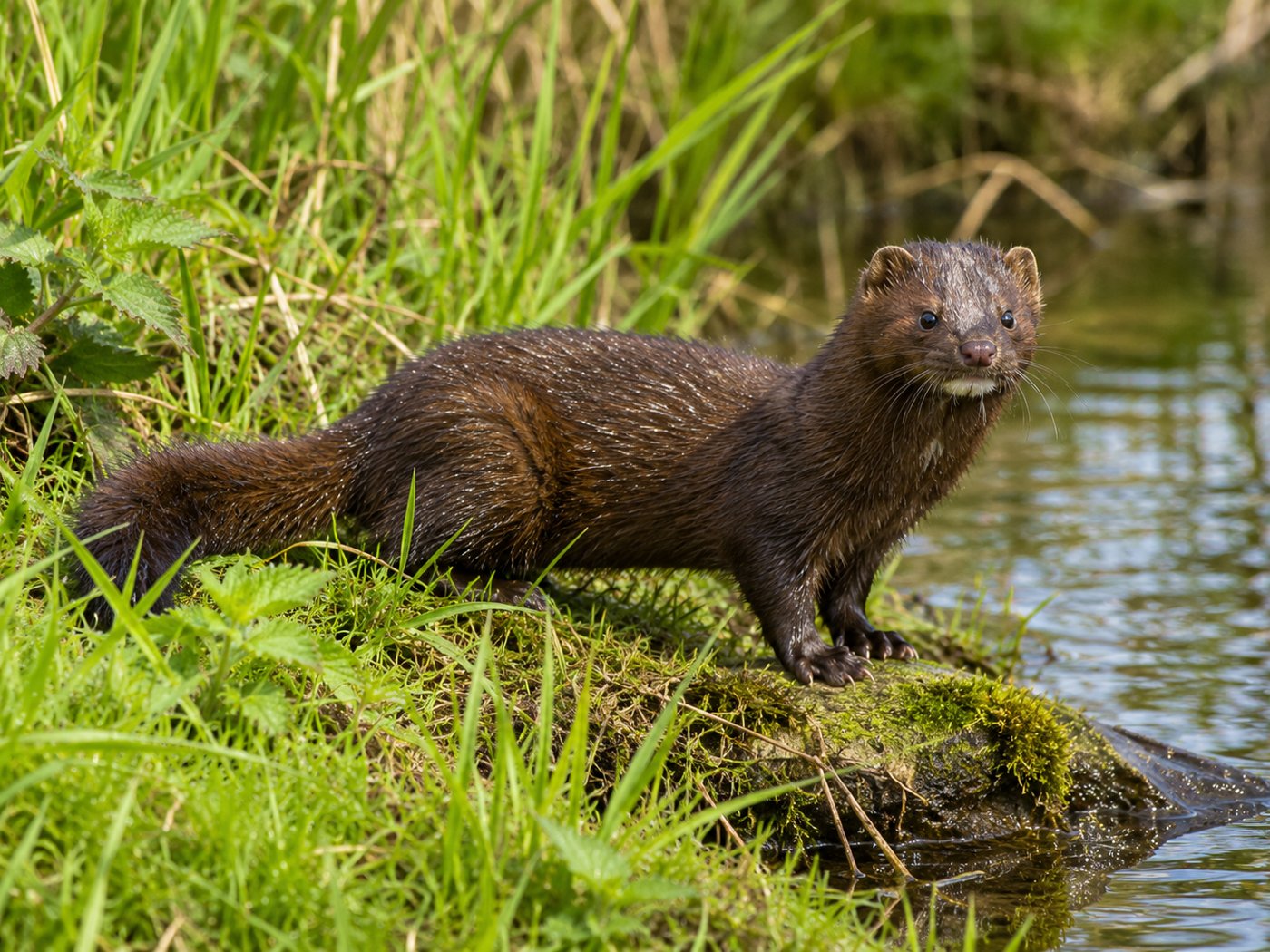
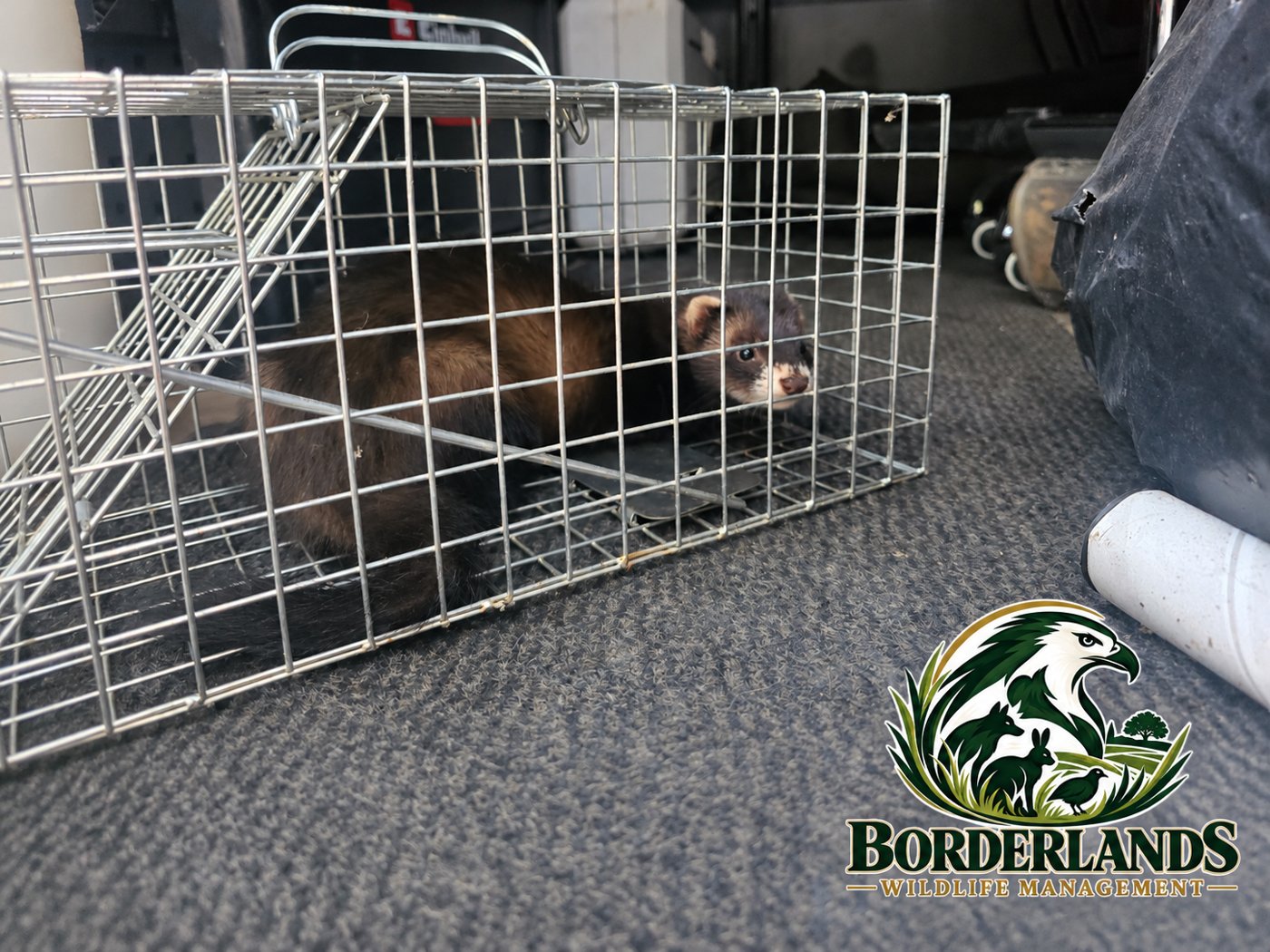
Wildlife and working landscapes often overlap. When animals affect crops, buildings, fish stocks or site safety, a proportionate management plan can help reduce the conflict while respecting the relevant legal protections.
We begin with the species, the behaviour, the environment and what is actually happening on site. Practical prevention and non-lethal measures are considered wherever suitable.
Site assessments to understand target species, movement patterns and risk areas.
Practical measures for vulnerable structures, land and facilities, subject to lawful methods.
Monitoring and reviewed plans for recurring wildlife conflicts and commercial settings.
Important: certain species, nests, habitats and control methods are protected or restricted by law. Any specific work depends on a proper assessment and the permissions required.
Browse our main services for property, land and business. Each situation starts with understanding the issue properly.
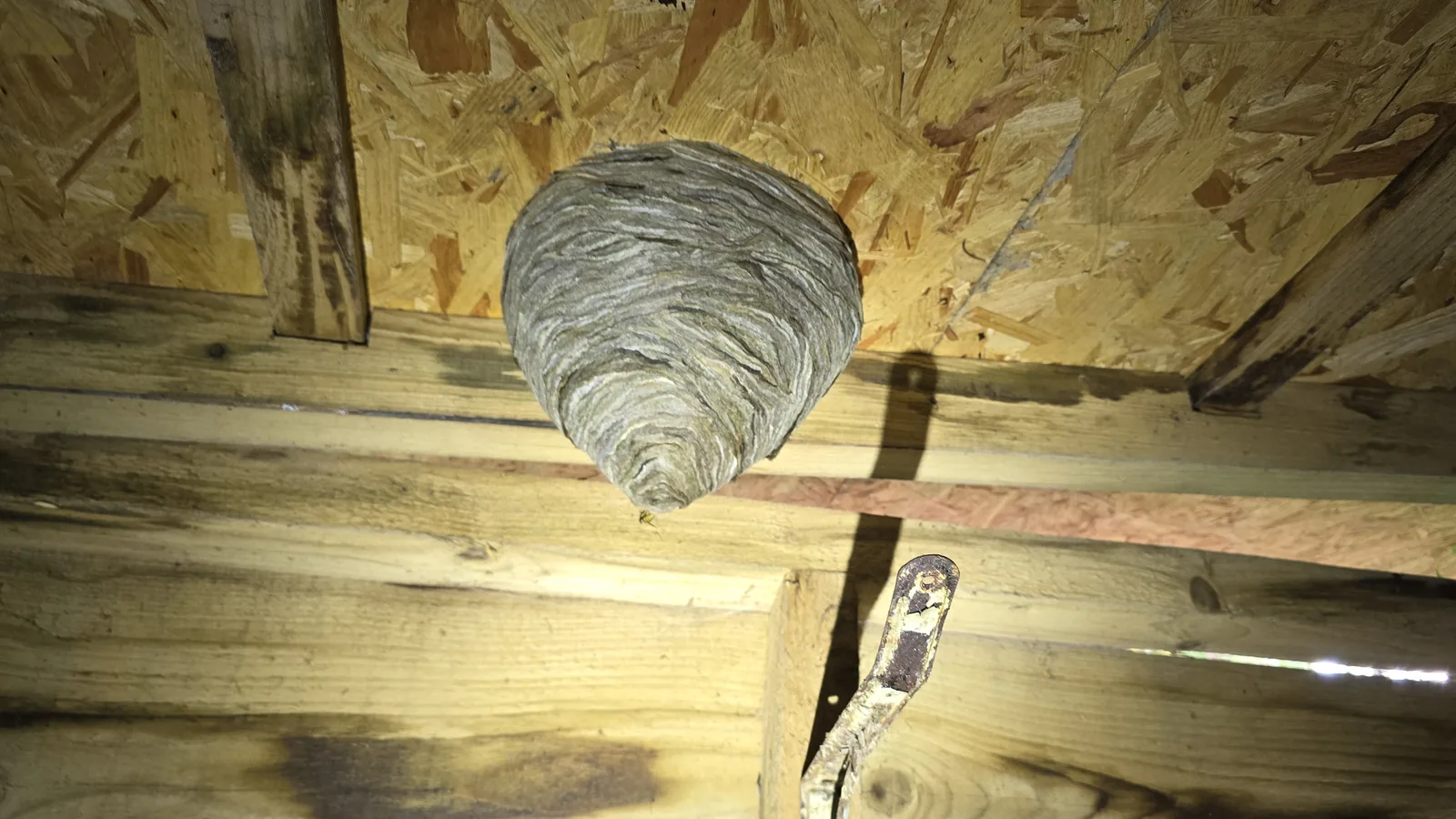
Rats, mice, wasps, moles and the pests that don't belong indoors or on your grounds.
See pest services ›
Thoughtful, proportionate approaches to wildlife conflicts, exclusion and prevention.
Explore wildlife work ›
Site assessments, ongoing management, written recommendations and practical follow-up.
Commercial services ›Describe the species, the location and the practical problem. We’ll discuss whether an assessment makes sense.